
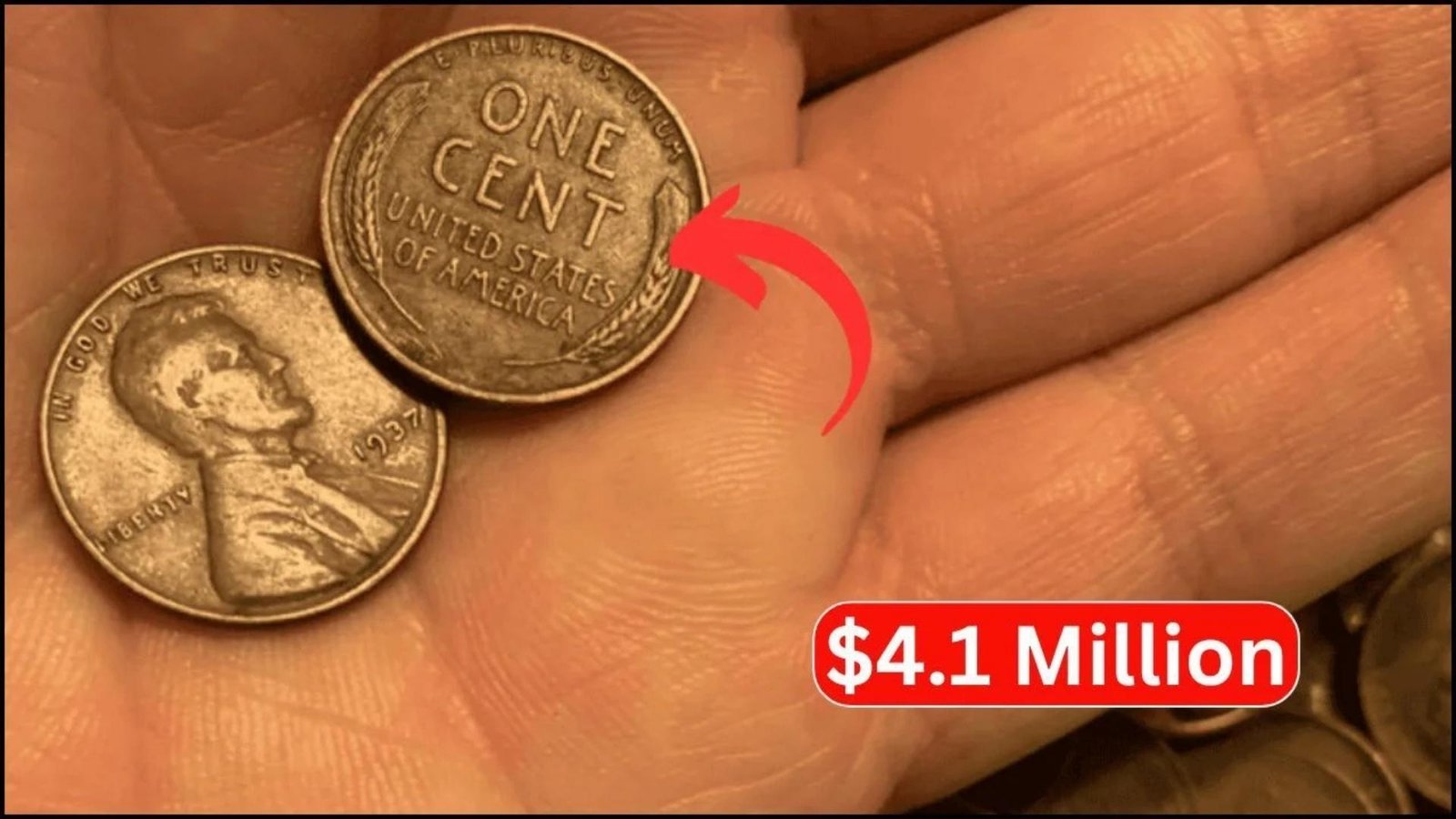
What if the spare change rattling in your pocket wasn’t just a few cents but a fortune? Collectors are buzzing about a Lincoln Wheat Penny that has shocked the world with a staggering $4.1 million price tag. Could you unknowingly be holding this hidden treasure?
What Is the Lincoln Wheat Penny?
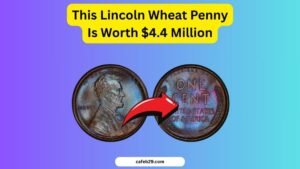
The Lincoln Wheat Penny, first minted in 1909, is one of America’s most beloved coins. Featuring President Abraham Lincoln on the front and distinctive wheat stalks on the back, it circulated until 1958. While billions were made, certain rare versions are now worth life-changing money.
A Hidden History of the Wheat Penny
The story begins in 1909, when the U.S. Mint honored Lincoln’s 100th birthday by issuing a new penny. Designed by Victor David Brenner, the coin quickly became iconic. But in the decades that followed, minting errors and rare compositions created accidental treasures that collectors now chase like gold.
Why Some Pennies Are Worth Millions
Not every Wheat Penny is valuable, but rare versions have fetched jaw-dropping prices. One such coin, a 1943 bronze Lincoln Wheat Penny, recently sold for over $4.1 million. Why so much? That year, pennies were supposed to be made of steel due to wartime copper shortages. A few slipped through in bronze — creating ultra-rare collector’s items.
Key Factors That Make a Wheat Penny Valuable
| Factor | Why It Matters |
|---|---|
| Year & Mint Mark | Some years had rare minting errors |
| Material | Bronze 1943 pennies are extremely rare |
| Condition | Higher grades fetch massive premiums |
| Historical Context | Wartime shortages created unique varieties |
How to Know If You Have the $4.1 Million Penny
So how do you spot one of these rare coins? Start with the basics:
- Look for the 1943 date but a coppery-red color instead of gray steel
- Use a magnet test — bronze pennies won’t stick
- Weigh it — bronze coins are 3.1 grams, steel pennies are 2.7 grams
- Check for a mint mark (some mints are rarer than others)
If you find one, don’t spend it — get it professionally appraised immediately.
Common Wheat Pennies vs Rare Million-Dollar Versions
| Penny Type | Estimated Value |
|---|---|
| Regular 1943 Steel Penny | 10–50 cents |
| 1909-S VDB Wheat Penny | $700–$2,000 |
| 1914-D Wheat Penny | $300–$1,500 |
| 1943 Bronze Wheat Penny | $1 million–$4.1 million |
Notable Facts That Will Surprise You
- Only 10–15 authentic 1943 bronze pennies are known to exist
- The first one was discovered in 1947 in a teenager’s lunch money
- In 2010, one sold for $1.7 million, proving values keep climbing
- Collectors estimate millions of people unknowingly own Wheat Pennies, but only a fraction are rare
Expert Tips for Collectors
Coin experts advise:
- Always store Wheat Pennies in protective cases to preserve condition
- Avoid cleaning — it can destroy value
- Use a trusted grading service like PCGS or NGC before selling
- Keep an eye on auctions, as prices continue to rise with demand
FAQs
Q: Are all Wheat Pennies valuable?
No, most are worth only a few cents, but rare ones like the 1943 bronze can fetch millions.
Q: How do I sell a rare penny?
Use reputable coin dealers, major auctions, or grading services for authentication.
Q: What’s the most valuable Lincoln Wheat Penny ever sold?
The 1943 bronze penny holds the record at over $4.1 million.
Q: Should I check every old penny I find?
Yes, especially 1909, 1914, and 1943 dates — they could be worth thousands.
Conclusion
The Lincoln Wheat Penny isn’t just a coin — it’s a hidden piece of American history that could change your life overnight. With one recently selling for $4.1 million, the real question is: could there be one sitting in your pocket right now?